
Dry cleaning explained simply: it is a solvent-based process that differs from ordinary water washing. The care label and assessment determine the choice; professional treatments are not all interchangeable.
Dry does not mean liquid-free
The name can mislead: dry cleaning uses processing liquid, followed by extraction, drying and finishing. Professional wet cleaning uses water with controlled conditions; it is not merely a household delicate cycle.
| Point of comparison | Water washing | Dry cleaning |
|---|---|---|
| Main medium | Water and a compatible product | Professional solvent |
| Basis for selection | Label, construction and soil | Label, construction and soil |
| Limits | Possible shape or colour changes | Limits involving trims, finishes and some stains |
How assessment works
Intake checks cover fabric, lining, accessories and marks. Existing damage and previous treatments are identified before selecting a process. Compatible stain treatment, cleaning, drying and finishing follow.
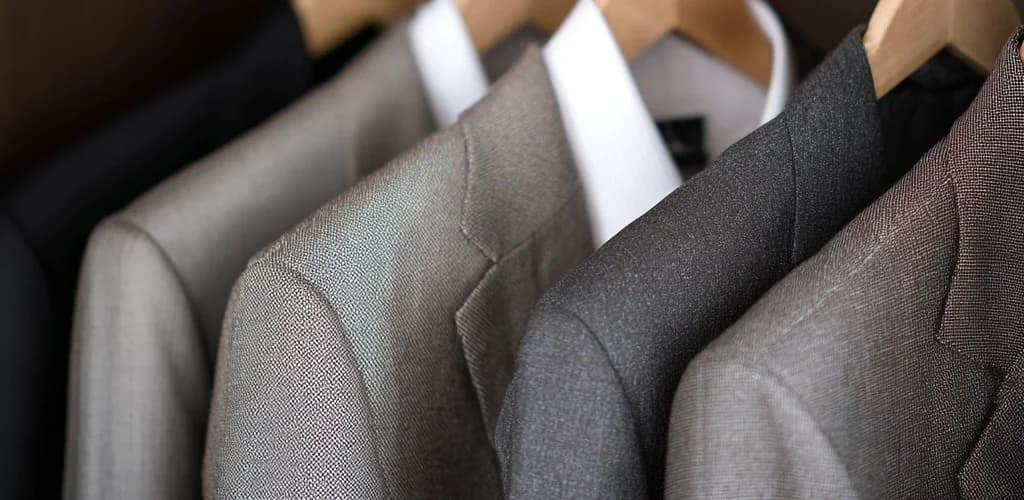
For suits and wedding dresses, construction matters as much as the listed fibre. Similar-looking garments may need different treatment.
Results and limitations
An old stain, unstable dye or already weakened fibre can limit the outcome. Cleaning cannot promise to remove every mark or repair wear. Explain previous product use and avoid applying further treatments before assessment.
SPG garment orders take 48–72 hours. Review the service and drop-off conditions and current prices. This educational explanation does not establish that SPG uses a particular solvent or detergent brand.
Frequently asked questions
Is dry cleaning suitable for every garment?
No. Labels, trims and fabric assessment may indicate another process or specific restrictions.
Should I treat every stain before drop-off?
Avoid improvised treatment. Record the stain's source and see first steps for stains, without rubbing or heating the mark.