
Storing clothes starts after cleaning and complete drying, in a space suited to the garment. A cover does not resolve trapped moisture or a stain overlooked before storage.
Prepare before packing
Inspect collars, cuffs, pockets and hems. Small marks are easy to forget during a season, so note cleaning and repairs. Let the item dry fully, then check thick sections again.
For jackets and coats, the filling can dry differently from the exterior. Avoid strong compression unless the manufacturer permits that storage method.
Hanger or shelf?
| Item | What to check |
|---|---|
| Structured jacket or coat | A hanger supporting shoulder shape |
| Heavy knitwear | Whether hanging could stretch it; suitable folding |
| Embellished dress | Weight of trims and suitable support points |
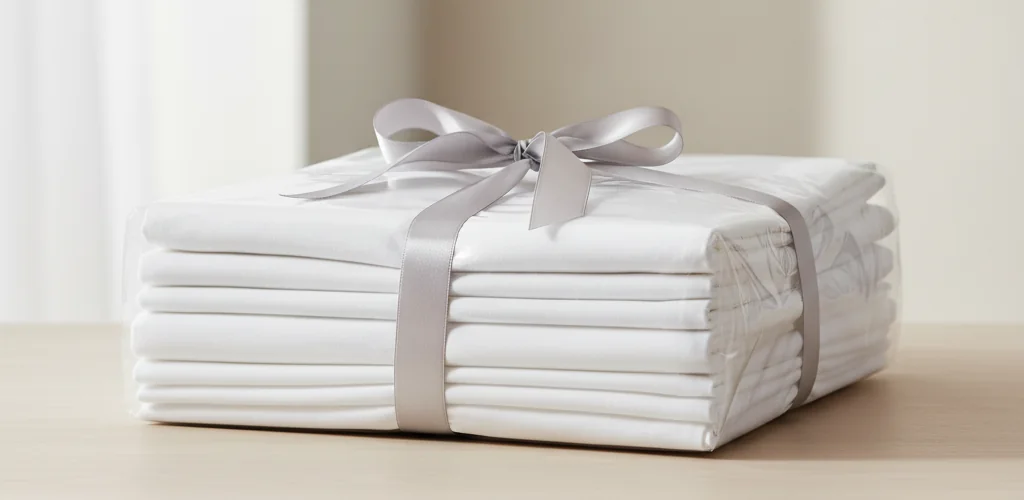
| Household textiles | Complete drying and a damp-free space |
Avoid overcrowding. Check whether a transport cover is also suitable for long-term storage. Do not enclose damp textiles in sealed containers.
Inspect periodically
Check the space for moisture, smells or pest signs. Lavender and fragrances should not be treated as guaranteed moth protection. Identify the source of a problem before choosing a suitable response; avoid randomly applying chemicals to clothes.
Frequently asked questions
Can I store something worn only once?
Inspect it first. One wear can still leave marks, perspiration or moisture.
Should everything go on a hanger?
No. Shape, weight and construction matter. Knitwear and heavy garments may need folding or different support.